The Complete Guide to Choosing the Right RV for Your Family
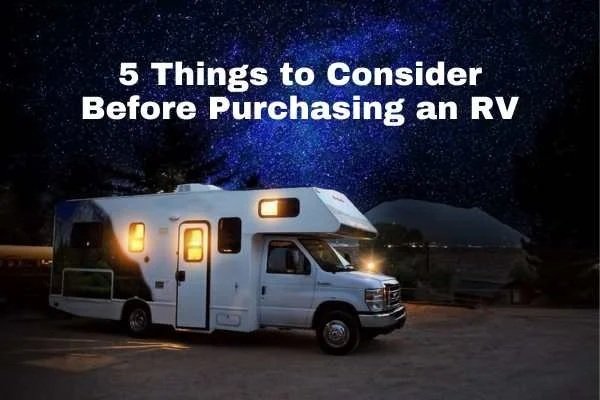
Purchasing an RV is an exciting milestone, especially when you’re planning unforgettable adventures with your family. But with so many options available, finding the right RV can feel overwhelming. Whether you're shopping for your first RV or upgrading to one that better suits your needs, this guide will help you make the best choice for your family.
Step 1: Understand Your Family’s Needs
The first step in choosing an RV is to think about how your family plans to use it. Here are a few questions to guide your decision:
How many people will be traveling in the RV?
Do you plan to use the RV for weekend trips, seasonal getaways, or full-time living?
Will you primarily stay in campgrounds with hookups, or do you prefer boondocking off the grid?
What types of destinations do you love—mountains, beaches, or urban areas?
Each family has unique preferences, so take the time to think through what features are most important for your lifestyle.
Step 2: Explore RV Types
There are several types of RVs, each with its pros and cons. Here’s a quick overview to help narrow your choices:
Class A Motorhomes:
Best for families looking for luxury and space, Class A motorhomes feature full kitchens, large bathrooms, and plenty of sleeping areas. However, they are the largest and can be more challenging to maneuver.Class C Motorhomes:
A popular choice for families, Class C motorhomes offer a good balance of space, comfort, and drivability. They often include bunk beds, making them ideal for kids.Travel Trailers:
Travel trailers come in various sizes and can be towed by trucks or SUVs. They’re versatile, budget-friendly, and offer plenty of layout options for families.Fifth Wheels:
Known for their spacious interiors and residential feel, fifth wheels are great for families who value comfort. They require a truck with a fifth-wheel hitch to tow.Pop-Up Campers:
A more compact and affordable option, pop-ups are great for weekend trips and smaller families. However, they offer limited space and amenities.
Step 3: Choose the Right Layout
The layout of an RV can make or break its functionality for your family. Here are key considerations:
Sleeping Arrangements: Look for bunks, convertible dinettes, or murphy beds to maximize sleeping space.
Kitchen Size: If you love to cook, prioritize a well-equipped kitchen with ample counter space.
Bathroom Options: Decide if you need a full bathroom or if a smaller wet bath will suffice.
Living Space: Consider how much space you’ll need for lounging, eating, and playing games during downtime.
Step 4: Evaluate Towing Capacity (for Towables)
Note: Do not buy the truck before you choose the RV!! This is a very important rule do not ignore this it by any means. Many people buy a truck then go RV shopping only to find out the RV they decide on cannot be towed by the truck they purchased. You may not be able to return the truck to the dealer without a substantial cost since it is now considered used. Find a dealer who sells trucks and understands the towing capacity of the trucks. A knowledgeable salesperson will know all the ratings or know exactly where to find them and understands what each one means.Trucks have tow ratings and legally you should not tow an RV with a truck that does not meet the capacity required by the RV.
If you’re considering a travel trailer or fifth wheel, make sure your vehicle can safely tow it. Check your vehicle’s towing capacity and ensure it matches the weight of the RV, including any gear you’ll bring along. Truck tow ratings are as follows:
GVWR: Gross vehicle weight rating. This is the maximum safe operating weight for a fully loaded vehicle, set by the manufacturer, including the vehicle's own weight, passengers, cargo, and any trailer tongue weight. It ensures components like brakes, suspension, and frame handle the load safely, and exceeding it creates a serious safety hazard, potentially leading to fines or vehicle damage.
GCWR: Gross capacity weight rating: This is the maximum allowable combined weight of a fully loaded tow vehicle and its fully loaded trailer. This rating is set by the vehicle manufacturer to ensure the vehicle's engine, transmission, and brakes can safely handle the stress of hauling and stopping the entire combination. It is a legal and mechanical limit that includes the weight of everything—passengers, fuel, cargo, and the trailer.
Includes everything: GCWR accounts for the weight of the tow vehicle (including passengers and fuel) plus the weight of the trailer and all cargo in both.
Sets the limit: The manufacturer determines the GCWR based on the capabilities of the vehicle's components, such as the engine, transmission, and axles.
Different from GVWR: It is different from the Gross Vehicle Weight Rating (GVWR), which is the maximum weight of the tow vehicle itself without a trailer.
Importance: Adhering to the GCWR helps prevent breakdowns, fines, and accidents by ensuring safe operation.
How to find it: The GCWR can typically be found on a placard on the vehicle, and if it's not there, it may be possible to calculate it.
Step 5: Consider New vs. Used RVs
New RVs: These come with warranties, the latest features, and no wear and tear. However, they can be more expensive.
Used RVs: A budget-friendly option, used RVs may already have upgrades and customizations. Just be sure to inspect for issues like water damage or mechanical problems.
RV Inspection: Whichever way you go find a reputable RV inspection service that will evaluate the unit before you buy it. This may cost you several hundred dollars but can save you thousands later on.
Step 6: Test It Out
Before making a purchase, rent a similar RV style to see how it fits your family’s needs. Spending a few days in an RV can give you valuable insight into what works and what doesn’t. There are several ways to do this. Try one of these three. The first two you can rent directly through them from owners and most likely will find the model you wish to purchase.
www.outdoorsey.com
www.outwander.com
www.cruiseamerica.com
Step 7: Set a BudgetThink beyond the purchase price when setting your budget. Consider:
Maintenance and repair costs.
Insurance premiums. Shop them before buying.
Fuel expenses (larger RVs often mean lower MPG).
Campground or storage fees.
Step 8: Visit Dealerships and RV Shows
Exploring RVs in person can help you visualize how each one feels. Many dealerships and RV shows let you walk through different models, which is a great way to compare options side by side.
Step 9: PricingNever pay MSRP. The minimum you should expect is 20% off the list price and if you shop around you will find as much as 35% off. A good landing point is 30%
Step 10:Service after the sale
This is extremely important as RV’s do require service. It’s not uncommon to find a new RV’s will have issues that require correction. Check out service department reviews.
Final Thoughts
Choosing the right RV for your family is all about balancing your needs, preferences, and budget. By taking the time to explore your options and prioritize what matters most, you’ll find an RV that sets the stage for unforgettable adventures.
Have questions about picking the perfect RV? Leave a comment below, and don’t forget to subscribe to "All Things RV" for more tips, advice, and inspiration for life on the road!